Short Indie Games: Complete Experiences in Under Two Hours
Short indie games deliver complete, satisfying experiences without demanding days of your time. These focused adventures prove that memorable gaming doesn’t require a massive hour investment. Whether you’re drawn to emotional narratives, innovative mechanics, or atmospheric worlds, short indie games pack meaningful content into digestible sessions perfect for busy schedules.
Why Two-Hour Games Hit Different
Short indie games work because they cut everything that doesn’t matter. No padding, no filler quests, no stretched-out content. Journey exemplifies this perfectly. Two hours start to finish, and every single moment contributes to the experience. The game respects your time while delivering emotional weight that lingers long after the credits roll.
Inside takes minimalism further. The lack of dialogue and sparse environments create a disturbing atmosphere that sticks with you. Oxenfree proves you can build tension through conversation alone. Sharp writing and supernatural mystery combine into something genuinely engrossing. These short indie games demonstrate how focused design creates stronger impact than bloated runtimes.
Emotional Depth Without the Time Sink
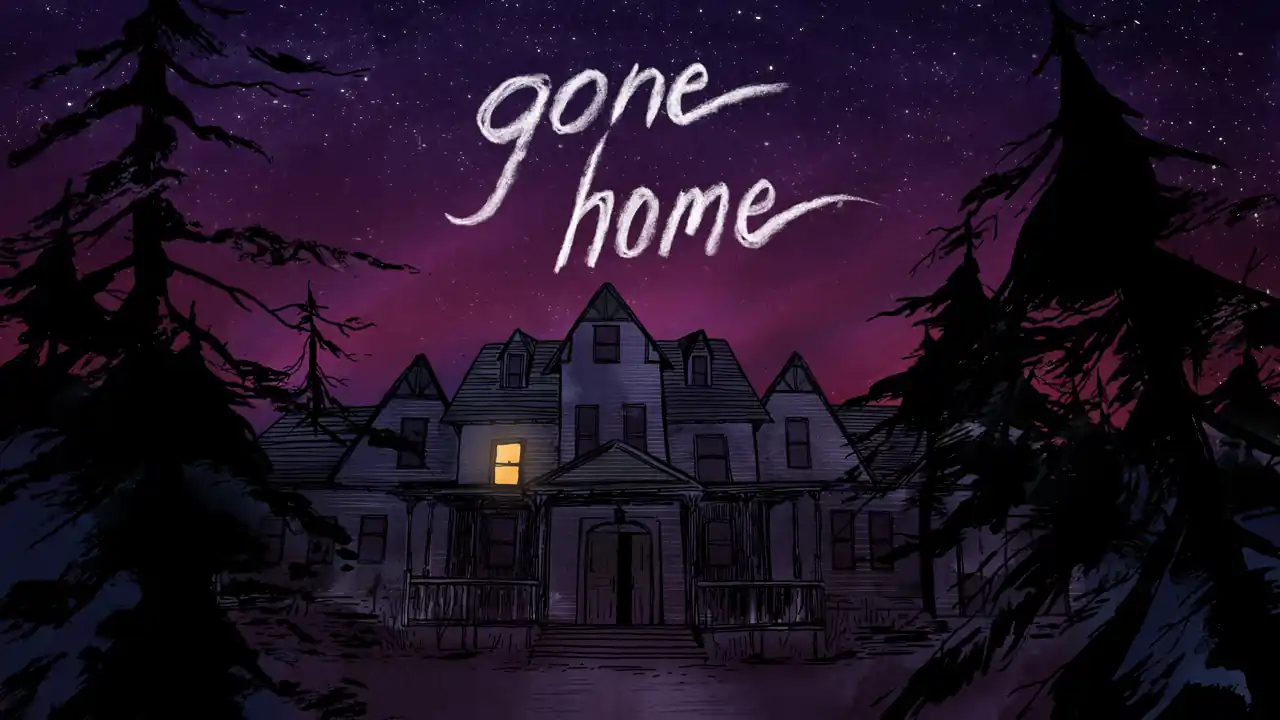
Gone Home needs about 90 minutes to tell its story about family, identity, and personal growth. Walking through an empty house shouldn’t be compelling, but the environmental storytelling pulls you into the narrative. No combat, no puzzles, just exploration that reveals a deeply personal tale. The emotional payoff feels earned despite the brief runtime.
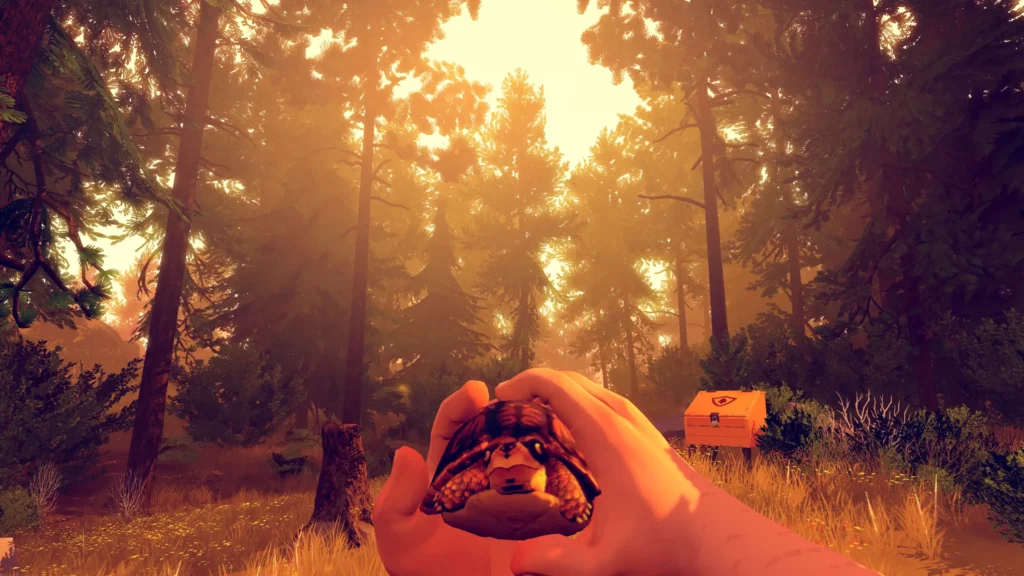
Firewatch builds its strength on character dynamics. Henry and Delilah’s radio conversations feel real, with natural pacing and genuine chemistry. The Wyoming wilderness provides beautiful scenery, but the relationship between these two characters makes short indie games like this one memorable. Four hours to complete, but the connection between them resonates well beyond that timeframe.
Quick Sessions, Real Fun
What the Box? offers straightforward multiplayer chaos. You’re a box. Your friends are boxes. Everyone’s trying to blend in while hunting each other. It’s ridiculous, fast, and perfect for unwinding. Sometimes simple concepts executed well beat complex systems that overstay their welcome.
Focused Design Creates Stronger Choices
Papers, Please compresses moral complexity into a border checkpoint job. Simple mechanics hide impossible ethical decisions. Every stamp matters when you’re balancing duty against compassion, feeding your family against helping desperate immigrants. Two hours puts enough pressure on your choices without exhausting the concept. The brevity makes every decision heavier.
This efficiency gives developers freedom to experiment. The Stanley Parable and Undertale both mess with player expectations through multiple endings and hidden paths. Short indie games like these benefit from compact runtimes that encourage replaying to discover new content. Returning for another run feels fresh rather than tedious.
Atmosphere That Sticks
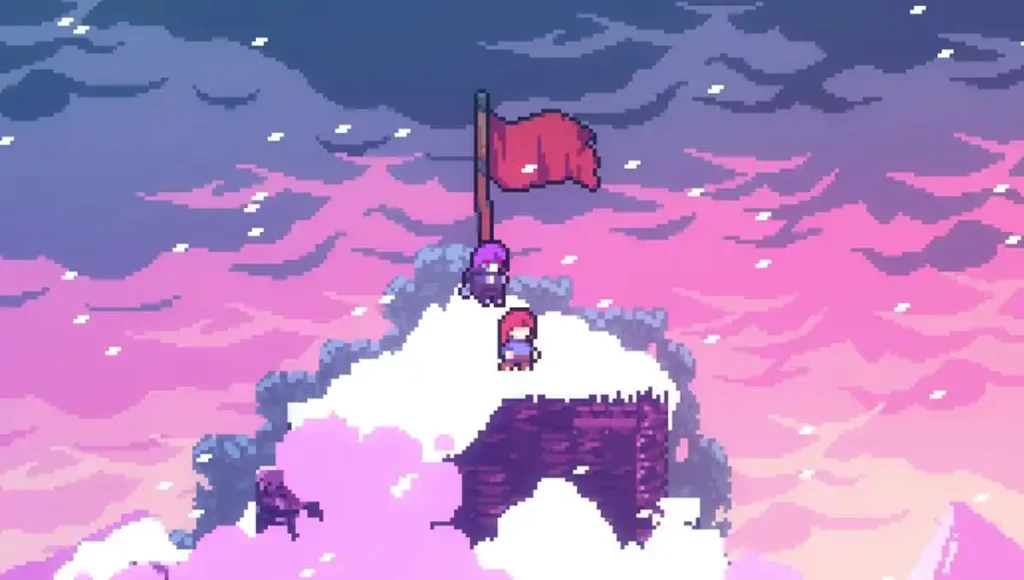
Celeste tackles mental health, perseverance, and self-acceptance through challenging platforming. The difficulty mirrors protagonist Madeline’s internal struggles, making gameplay feel personal. A few hours of content, but the themes and that incredible soundtrack create lasting impact. Tight mechanics paired with meaningful narrative prove short indie games can punch well above their weight.
Inside doesn’t need dialogue to communicate. Eerie silence and disturbing visuals build tension that follows you after you stop playing. Sometimes atmosphere alone carries an experience. Hollow Knight uses haunting music and intricate world design to craft isolation and mystery that feels tangible. The soundtrack isn’t background noise, it’s integral to the emotional experience.
Why Length Doesn’t Equal Value
Short indie games prove quality trumps quantity. Whether through touching stories, fresh mechanics, or unforgettable atmosphere, these experiences demonstrate that meaningful gaming doesn’t require hundreds of hours. When time’s limited but you want something substantial, these focused adventures deliver exactly what you need.
FAQ
What’s the fastest indie game worth playing?
Gone Home takes roughly 90 minutes and delivers genuine emotional storytelling through environmental exploration. Firewatch needs about four hours for a complete playthrough focused on character development.
Can you replay short indie games?
Absolutely. Undertale and The Stanley Parable include multiple endings and hidden content specifically designed for replays. The compact runtime makes discovering new paths enjoyable rather than tedious.
Do short indie games focus on story or gameplay?
It varies by title. Papers, Please emphasizes moral narrative through simple mechanics. Celeste blends tight platforming with themes about mental health and perseverance.
Are two-hour games actually satisfying?
Yes. Journey, Inside, and similar titles create complete experiences that feel satisfying despite brief runtimes. Focused design eliminates filler and makes every moment count.
Who should play short indie games?
Anyone wanting meaningful gaming without major time commitments. These work perfectly for busy schedules while still delivering emotional depth and creative design.
Don’t hesitate to check out our reviews of other indie games:
https://playglio.com/category/reviews/
Images sources : Steam